
Stay cool with expert auto air conditioning repair and service from Hoover Street Auto Repair in Ann Arbor, MI. Our auto air conditioning repair shop can diagnose and fix any auto HVAC and climate control problem to keep you comfortable in summer and safe with clear, defrosted windows in winter. Hoover Street Auto Repair services and repairs auto air conditioning systems on all makes and models. We specialize in Asian auto A/C repair and service including Acura, Honda, Hyundai, Infiniti, Kia, Lexus, Mazda, Nissan, Subaru, and Toyota. We also do auto A/C service and repair on American domestic autos, including General Motors (GM), including Chevrolet, GMC, Buick, and Cadillac vehicles; Ford Motor Company, including Ford and Lincoln vehicles; Stellantis North America (formerly Chrysler), including Jeep, Ram, Chrysler, and Dodge vehicles.
Auto Air Conditioning - Best Invention Ever!
It's the first hot day of summer in Michigan. You turn on your car's A/C only to discover an unwelcome blast of warm air from the vents. That's when you phone Hoover Street Auto Repair, your Ann Arbor auto air conditioning service and repair specialists.
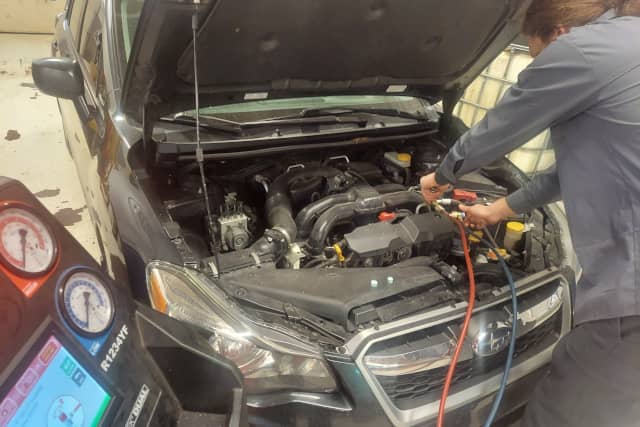
6 Signs Your Auto Air Conditioning System Needs Service
- Blows hot air when set to 'cold'
- Runs constantly, but never gets cold.
- Inconsistent temperature control
- Makes odd noises when operating
- Vent air volume is weaker than normal.
- Stale, moldy, or damp smell from vents
If your car's A/C shows any of these warning signs, schedule an air-conditioning inspection at our Ann Arbor, MI, repair shop before a small A/C problem becomes an expensive repair.
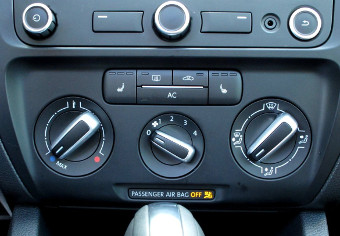
A/C Service Needed Warning Signs FAQ
Q: Why does my A/C blow warm air even when it's set to cold?
A: Warm air even with A/C on cold usually means low refrigerant from a leak. It can also point to a bad compressor clutch or an electrical issue. A diagnostic check finds the exact cause.
Q: Is it normal for my A/C to make noise when it's running?
A: Yes. Odd noises like squealing, grinding, or knocking when your A/C runs often mean a worn clutch, bad bearing, or failing belt. Don't ignore these sounds.
Q: What does a moldy smell from my vents usually mean?
A: A stale or moldy smell from your vents usually means the cabin air filter is dirty, or mold has built up nearby. It's not usually a refrigerant problem.
Expert Automotive Air Conditioning Repair
Our ASE-certified A/C technicians perform a checklist inspection of your complete air conditioning system and provide a written report.
Why ASE Certification Matters
When you bring your car in for A/C service, you want to know the technician actually knows what they're doing. That's where ASE certification comes in.
ASE stands for the National Institute for Automotive Service Excellence. To earn this certification, a technician must pass a tough exam. The exam covers refrigerant handling, system diagnosis, and repair steps. Technicians also need real hands-on shop experience. The certification isn't handed out for just showing up. It must be renewed every 5 years to keep certified techs current with newer vehicle technology.
ASE-certified technicians do every A/C diagnostic inspection at Hoover Street Auto Repair. That means the person checking your system's pressure, testing for leaks, and suggesting repairs has proven, tested knowledge of how car A/C systems work.
For you, that means real confidence. The diagnosis is accurate. The repairs we suggest come from training and experience, not guesswork.
ASE Certification FAQ
Q: What does ASE certification mean for a mechanic?
A: ASE certification means a technician passed a national exam and proved hands-on experience, verified by the National Institute for Automotive Service Excellence. It's tested skill, not just years on the job.
Q: Does ASE certification expire?
A: Yes. ASE certification must be renewed every five years, so certified technicians stay current as vehicle A/C technology changes. Our team's certifications stay active.
Q: Is an auto repair shop itself ASE certified, or just the technicians?
A: Only individual technicians earn ASE Certification. However, the National Institute for Automotive Service Excellence recognizes elite repair facilities with the Blue Seal of Excellence. To qualify, a shop must ensure at least 75% of its technicians are certified.
Hoover Street Auto Repair specializes in Asian auto A/C repair and backs every service with technicians who hold ASE certification in automotive A/C systems.
Annual A/C Inspection
An annual inspection of your air conditioning system helps prevent costly repairs. Running the A/C compressor low on refrigerant and compressor oil can damage the A/C compressor and result in a repair that can reach $5,000* or more on some vehicles. Inspection and preventive maintenance can make a real difference in repair costs, so don't wait. Get your A/C checked today.
Your annual A/C inspection includes a cabin air filter check and, if refrigerant levels are low, a recharge to keep the system running efficiently through the year. During an annual A/C inspection, your technician also checks the A/C compressor for wear and verifies that refrigerant levels are within specifications, catching small issues before they turn into major repairs.
An annual A/C inspection is a type of auto air conditioning service that uses the same A/C diagnostic inspection process to evaluate system performance before problems arise. An annual A/C inspection is not a problem diagnostic. The annual inspection is a performance check and refrigerant top-up. An A/C problem diagnostic will look for the cause of a specific problem and is beyond the scope of an annual A/C inspection.
Skipping your annual A/C inspection can mean a small, slow refrigerant leak goes unnoticed until the A/C compressor fails, turning a $150* recharge into a $1,200+* compressor replacement.
Annual A/C Inspection - What We Do
Our annual auto air conditioning performance check includes:
- Visual inspection of accessible air conditioner parts and components.
- A/C system performance test (Vent Temperature & Air Volume).
- Evacuate and measure the refrigerant, vacuum test for leaks*, and recharge (refill) the system with the correct amount of refrigerant.
- A/C System pressure test (An auto A/C pressure test uses a manifold gauge set connected to the high- and low-side service ports to measure the refrigerant's operating pressure. It diagnoses how well the compressor, expansion valve, and condenser are functioning, and helps pinpoint blockages or leaks.)
- System control test.
*Note that some difficult-to-find leaks may require the use of a Leak detector tool or a UV dye leak detection test, which have additional diagnostic costs.
Recharge vs. Dye Leak Detection: Which One Do You Need?
If your A/C is blowing warm, the fix depends on why the refrigerant is low.
In many cases, your system only needs a simple refrigerant recharge. If your A/C holds that refrigerant afterward and stays cold, the problem is solved.
But if your air conditioning has run low before, or the recharge doesn't last, refrigerant is escaping through a leak somewhere in the system. Recharging again without finding that leak means paying for refrigerant that will leak out again.
That's when we use a color dye leak detection test. We add a small amount of UV-reactive dye to the system and let it circulate with the refrigerant as you drive. The dye travels everywhere the refrigerant goes, including out through any leak point. Using a special UV light, we can then spot the exact location where the dye and the refrigerant are escaping, even if the leak is too small to be seen or heard.
Finding the source first means we fix the actual problem instead of guessing, so your recharge actually lasts.
Recharge vs. Dye Leak Detection FAQ
Q: How do I know if I need an A/C recharge or a leak test?
A: A recharge alone works if your A/C stays cold afterward. If it goes warm again within weeks, refrigerant is escaping, and a dye leak test is needed first to find the source.
Q: How does UV dye leak testing actually work?
A: UV dye mixes with refrigerant and circulates through the system as you drive. Any leak point lets dye escape, and it glows brightly under a UV light, revealing the exact leak location.
Q: Does UV dye wear off or need to be reapplied often?
A: UV dye stays in a sealed A/C system indefinitely and won't affect performance, so it's also useful for spotting new leaks during future inspections.
Common A/C Problem
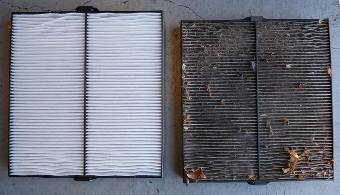
One of the most common auto air conditioning problems is a dirty cabin air filter. These filters clean all the air that enters your passenger compartment and need to be replaced regularly. If the air coming from the vents in your car smells stale, moldy, or damp, or the airflow is weaker than normal, the cabin air filter likely needs replacement.
Hoover Street Auto Repair is an auto air conditioning service and repair shop serving Ann Arbor, Ypsilanti, Dexter, Pittsfield, Saline, MI, and surrounding areas since 1980. Contact us for all your auto air conditioning estimates, repairs, services, and recharge needs.
Cabin Air Filter FAQ
Q: How often should the cabin air filter be replaced?
A: Most cabin air filters should be replaced about once a year, or every 12,000 to 15,000 miles. Replace the filter sooner if you drive in heavy traffic, dust, or high pollen levels. If you are allergic to pollen, it may help to change your vehicle's cabin air filter more frequently, especially after the peak pollen period.
Q: Can a dirty cabin air filter make my A/C seem weaker?
A: Yes. A clogged cabin air filter blocks airflow through your vents. This can make your A/C feel weaker, even if the refrigerant and compressor are fine.
Q: Does a musty vent smell always mean a refrigerant problem?
A: A musty or stale smell almost always points to a dirty cabin air filter or moisture buildup nearby, not a refrigerant or compressor problem.
Protect The Environment
The Federal Environmental Protection Agency (EPA) regulates the type of refrigerant you can use in your auto air conditioner and how it is handled. Your Ann Arbor, MI auto AC service technicians follow strict environmental rules for properly removing, recycling, and disposing of used refrigerant gas to protect the environment while keeping you cool. At Hoover Street Auto Repair in Ann Arbor, MI, we install high-quality replacement parts and refrigerant. Using cheap, counterfeit refrigerant gas can destroy your auto air conditioning system. Give us a call at (734) 913-6272 and let us help you keep your cool.
Environmental Regulations FAQ
Q: Is it illegal to release A/C refrigerant into the air?
A: Federal law bans intentionally releasing, or venting, refrigerant into the air during A/C service. Violations can carry steep fines under the Clean Air Act.
Q: Why does it matter who services my car's A/C system?
A: Under EPA rules, only certified technicians may buy and handle motor vehicle A/C refrigerant. That's one reason certification matters when servicing your car.
Q: What happens to the old refrigerant removed from my A/C?
A: Used refrigerant must be captured, recycled, or properly reclaimed, not released into the air. This protects the environment and is required by federal law. Hoover Street Auto Repair has the latest auto A/C service equipment to capture, recycle, or dispose of refrigerant.
Lower A/C Repair Costs
Refrigerant gas loss is normal, but without regular automotive A/C maintenance, your auto air conditioning system has to work harder to cool your vehicle. Making the A/C system work harder wears out parts faster and increases your repair costs. An auto air conditioner service can significantly lower your auto A/C repair costs.
Simple Fix
There is a simple fix for decreased fuel mileage and high A/C repair costs: a yearly A/C system check and refrigerant refill keep your A/C system working at top performance. Schedule an appointment with one of our trained automotive A/C repair technicians; they understand every aspect of auto air conditioner repair and service, from computerized components to environmental disposal requirements.
Routine Maintenance
Most of us in Ann Arbor, MI, don't give our auto air conditioning a second thought as long as it's producing cold air. But your auto air conditioner is a complex and expensive system that should be cared for before it fails.
Besides keeping you cool, regular auto A/C refrigerant recharge has another major benefit. Refrigerant gas absorbs moisture from air that leaks into the system, which can turn the refrigerant into a corrosive acid. This acid damages internal parts and creates very expensive repairs. Fresh refrigerant protects your air conditioning components and keeps your AC system operating at peak efficiency, lowering fuel costs and keeping you cool.
What Does the A/C Compressor Do?
Your A/C compressor is the heart of your car's air conditioning system. Think of it like a pump. Its job is to pressurize the refrigerant so it can absorb heat from inside your car and release that heat outside, which is what makes the air from your vents feel cold.
Here's a connection worth knowing: your compressor circulates refrigerant through the system, and that refrigerant carries a small amount of oil that lubricates the compressor itself. So when refrigerant runs low, whether from a slow leak or normal loss over time, the compressor also loses the oil it needs to stay protected.
Running low on that lubrication causes the compressor to wear out faster, and it can lead to complete failure. That's a bigger problem than it sounds like, because a failed compressor doesn't just mean warm air; it means your A/C stops working altogether, and replacing the compressor is one of the more expensive A/C repairs.
That's why we check refrigerant levels and compressor health together during every A/C inspection. Catching low refrigerant early protects both your cooling power and your compressor, so small issues don't turn into costly breakdowns.
Your vehicle's air conditioning system plays an important part in passenger comfort and safety. It is responsible for cooling, heating, defrosting, air filtering, and humidity control. It keeps you comfortable during the hot summer and ensures a clear view of the road in the damp, cold winter months. The automotive air conditioning system is a great convenience that is often taken for granted.
At Hoover Street Auto Repair, we can check your vehicle's air conditioning system to make sure it's functioning properly and provide service if needed. Our ASE-certified technicians are experts at auto air conditioning recharging. They can pressure-gauge the system, recycle used refrigerant, check A/C pump drive belts, and perform an A/C performance test. It's the best way to make sure you can beat the heat in cool comfort all summer long.
A/C Compressor FAQ
Q: What does the A/C compressor actually do?
A: Your A/C compressor pressurizes refrigerant so it can absorb heat from your cabin and release it outside, which is what makes vent air feel cold.
Q: Can a car A/C compressor be repaired, or does it need full replacement?
A: Sometimes. Minor issues may be repairable, but a compressor with major wear or damage usually needs full replacement for reliable, lasting performance.
Q: Why does low refrigerant level hurt the compressor, not just the cooling?
A: Low refrigerant means low lubricating oil too, since oil travels with refrigerant. Running the compressor without enough oil speeds up wear and can cause it to fail.
Prevent Expensive A/C Repairs
Even with regular service, A/C parts wear out over time. Normal wear and tear eventually affects all moving parts, but catching problems early can save you from extensive repairs. For instance, a part that often wears out is the compressor shaft seal. When it fails, refrigerant gas leaks, and the system cycles on and off more frequently to keep you cool. This frequent cycling wears out the clutch that drives the A/C compressor, as well as the compressor itself. Wait too long to replace a leaking seal, and you'll face a very expensive repair bill for premature failure of the A/C clutch and compressor.
Compressor Seal & Clutch FAQ
The A/C clutch engages the A/C compressor when cooling is required, which in turn circulates refrigerant through the system to produce cold air.
Q: What happens if the A/C compressor clutch stops engaging?
A: If the clutch doesn't engage, refrigerant can't circulate. Your A/C blows warm air even though the compressor pulley may still be spinning with the belt.
Q: How does a worn compressor shaft seal cause other damage?
A: A worn compressor shaft seal lets refrigerant leak out. This makes the system cycle on and off more often, which speeds up wear on both the clutch and compressor.
Q: Is it worth fixing a worn seal before it fails?
A: Yes. Fixing a worn shaft seal or clutch early costs far less than waiting until the refrigerant leaks out and the compressor itself fails and needs full replacement.
Q: What problems does a bad a/c compressor clutch cause?
A: A bad AC compressor clutch primarily causes no cooling, intermittent warm air, or metallic grinding noises. If the clutch seizes, it can snap your accessory drive belt, turning off your alternator or power steering. You may also notice smoke, a burning smell, or poor fuel economy.
Common A/C clutch issues stem from:
Clutch Not Engaging: The electromagnetic coil fails, leaving the compressor idle while you only get outside air.
Squealing or Grinding: The clutch's internal bearing fails, creating metal-on-metal friction and dark metallic dust.
Stuck/Seized Clutch: The clutch remains permanently locked, forcing the compressor to run even when the AC is turned off. This can also decrease fuel economy.
If you notice your air conditioning rapidly cycling on and off (short-cycling), a worn A/C compressor clutch may be forcing the A/C compressor to start and stop repeatedly, which will quickly destroy the A/C compressor.
When To Service Your Auto A/C
Your vehicle owner's manual will tell you how often your auto A/C system should be serviced. We recommend scheduling an annual A/C inspection every spring so you can catch low refrigerant levels or a worn A/C compressor before the hot, humid weather of an Ann Arbor summer arrives.
Talk to our service advisors about how Hoover Street Auto Repair can help with your auto air conditioning repair. They will be happy to provide A/C service recommendations and answer your A/C questions.
Hoover Street Auto Repair
142 E Hoover Ave
Ann Arbor, MI 48104
(734) 913-6272
*The price examples shown on this website are general estimates based on national automotive cost data and industry averages, including published figures from sources such as RepairPal or Kelley Blue Book. The prices on this page are as of 2026 and provided for general informational purposes only. They are not a quote from Hoover Street Auto Repair, and they do not reflect a specific price for your vehicle or for service in the Ann Arbor area. Contact us for an accurate price estimate. Please see our Website Price Policy.